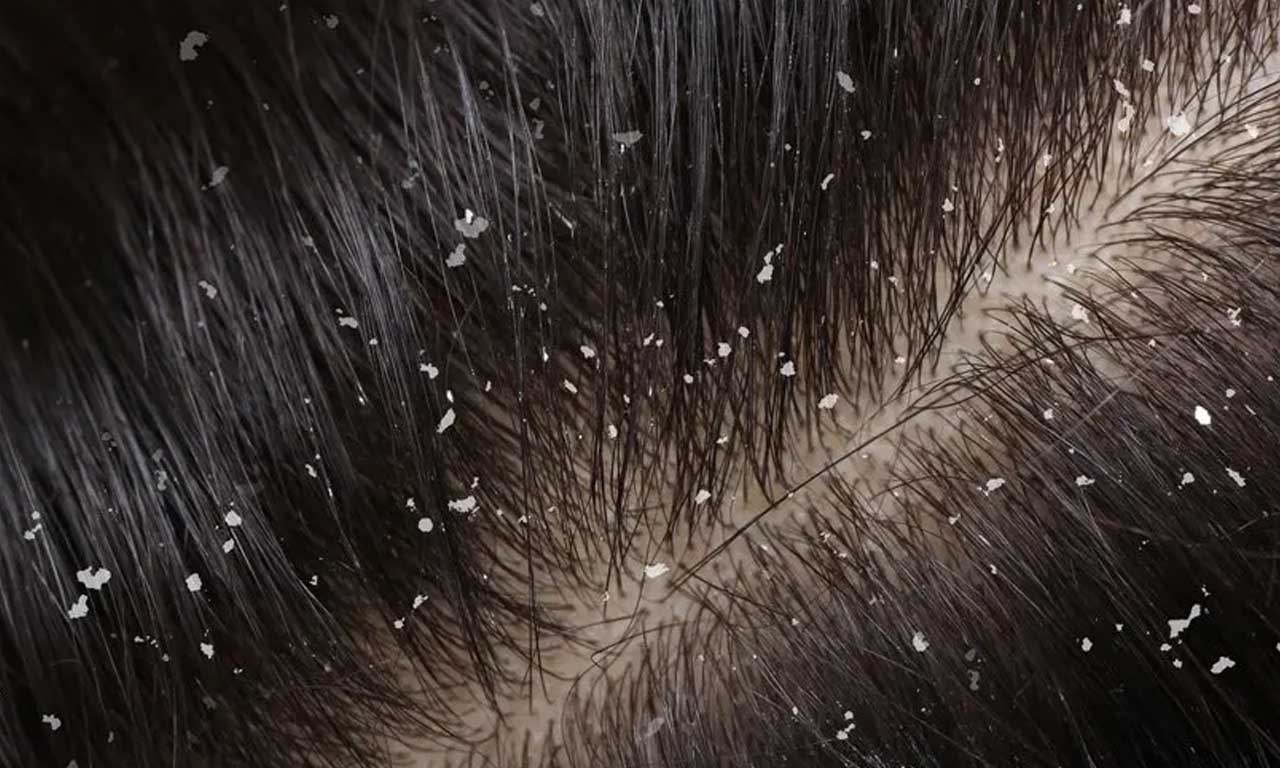
Why dandruff keeps coming back is one of the most frustrating scalp problems people face. You change shampoos, try “anti dandruff” labels, follow washing routines carefully yet flakes return again and again. This happens because dandruff is rarely just a shampoo problem. It’s a scalp health issue with multiple hidden triggers.
Dandruff is common, but it’s also widely misunderstood. Treating it correctly starts with understanding what’s actually happening on your scalp.
You may not have the same type of dandruff every time
Not all dandruff is the same, even though it looks similar on the surface. There are three major types:
Dry dandruff caused by dehydration and a weakened scalp barrier
Oily dandruff linked to excess sebum and clogged follicles
Fungal dandruff triggered by overgrowth of Malassezia yeast
Each type needs a different treatment approach. Using one shampoo for all types often explains why dandruff keeps coming back despite regular washing.
Shampoos remove flakes, not the root cause
Most shampoos are designed to clean the scalp surface. They wash away visible flakes but do not correct deeper problems such as:
So even if flakes disappear temporarily, the underlying trigger remains active. Once washing stops or conditions change, dandruff returns.
Flakes form below the surface of the scalp
One major reason why dandruff keeps coming back is that flaking begins in deeper scalp layers. When skin cells renew too quickly, they clump together and rise to the surface as visible flakes.
This process can be driven by:
Stress
Weather changes
Hormonal shifts
Sensitivity reactions
A shampoo alone cannot reset this cycle.
Washing too often can worsen dandruff
Many people respond to dandruff by washing more frequently. Ironically, this can damage the scalp barrier.
Overwashing:
The scalp reacts defensively, producing more oil or shedding faster creating the illusion that dandruff has increased.
Weather plays a bigger role than you think
Seasonal changes significantly affect scalp health:
Winter dries out the scalp, leading to fine flakes
Summer increases sweat and oil, feeding fungal dandruff
Humidity worsens oil imbalance
This is why dandruff may disappear for months and suddenly return without changing products.
Stress quietly fuels dandruff cycles
Stress alters hormone levels and immune response. It also affects the scalp microbiome the balance of healthy microorganisms on the skin.
Chronic stress can:
This explains why dandruff flare ups often appear during exams, work pressure, illness, or poor sleep cycles.
The scalp barrier may be damaged
A healthy scalp barrier retains moisture and protects against irritants. When it’s weakened, the scalp becomes reactive and sheds faster.
Signs of barrier damage include:
Until the barrier heals, dandruff will continue to return.
Why proper diagnosis actually matters
Dry flakes, oily flakes, and fungal flakes look similar to the naked eye. Under magnification, however, they appear very different.
This is why dermatologists often use scalp microscopes or digital scalp analysis. A close-up view helps identify:
Oil levels
Follicle blockage
Inflammation
Fungal patterns
Correct identification prevents unnecessary product switching and over treatment.
The real reason dandruff keeps returning
To summarize, why dandruff keeps coming back usually comes down to one truth: the scalp is being treated blindly.
Dandruff is influenced by:
Scalp type
Oil balance
Barrier health
Lifestyle and stress
Climate and environment
Shampoos are tools, not cures. Once the dandruff type is identified and the scalp environment is corrected, flakes reduce more reliably and stay away longer.
Final thoughts
Dandruff is not a hygiene failure or a shampoo failure. It’s a scalp health signal. When you stop chasing flakes and start understanding the scalp underneath, treatment becomes smarter, gentler, and far more effective.
Clear diagnosis leads to clear results and that’s how recurring dandruff finally breaks its cycle.
mydermascope.info@gmail.com