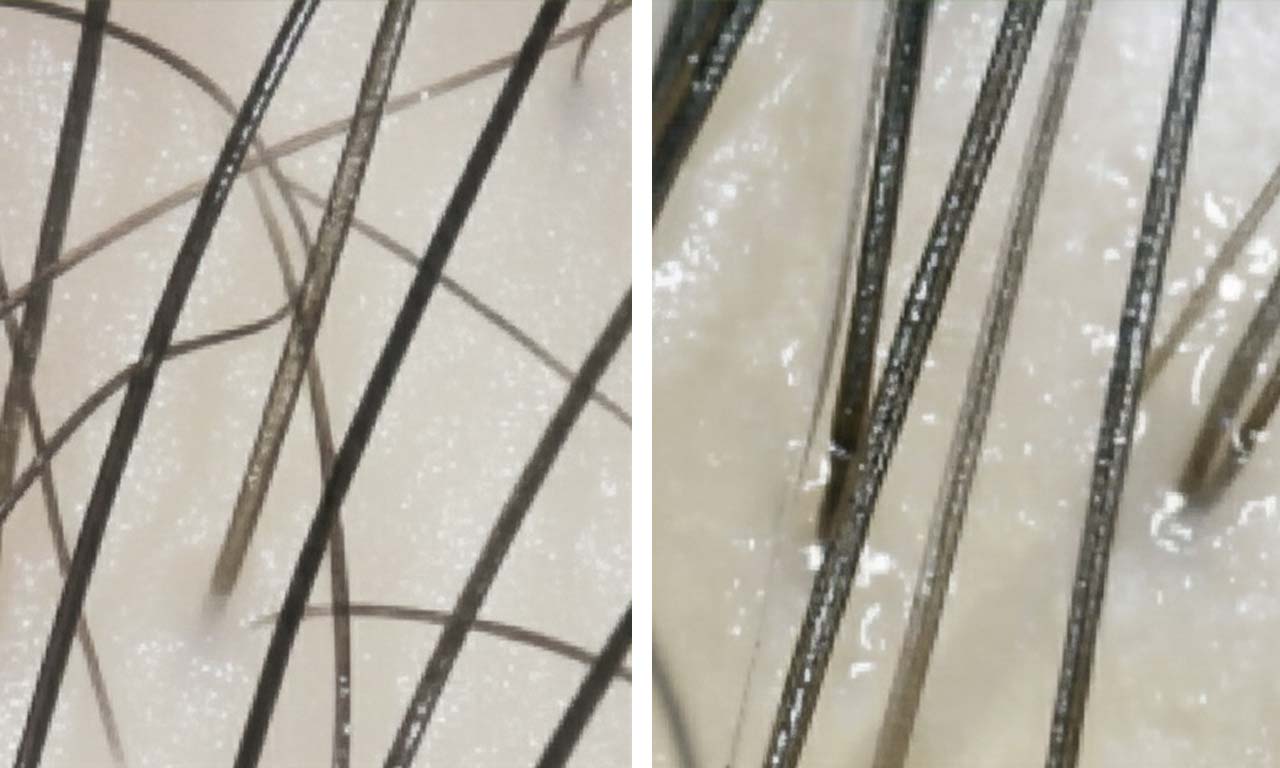
Why my scalp becomes oily so fast, You wash your hair in the morning. It feels light, clean, and fresh. But by evening, your scalp already looks oily, flat, and uncomfortable. Many people ask the same frustrated question: why my scalp becomes oily so fast, even after proper washing?
The truth is, an oily scalp is rarely about dirt or poor hygiene. It’s usually a sign that your scalp’s oil balance is disturbed. Understanding what’s happening beneath the surface makes all the difference.
Your scalp may be overcompensating, not overproducing
One of the most common reasons behind rapid oiliness is dryness. When you wash too frequently or use strong, stripping shampoos, your scalp loses its natural protective oils. In response, it goes into defense mode and produces more sebum than necessary. This rebound effect explains why people who wash daily often feel oily faster than those who don’t.
So if you’re wondering why my scalp becomes oily even after shampooing, the answer may be that your scalp is actually dehydrated.
Oil doesn’t flow properly when follicles are blocked
Sebum is meant to travel smoothly from the follicle to coat the hair. But when dead skin, pollution, sweat, or styling residue builds up, follicles get partially blocked. Oil then sits on the surface instead of spreading evenly, making the scalp appear greasy within hours.
This type of oiliness often feels sticky or heavy and may come with itching or flakes that don’t look dry. To the naked eye, buildup and oil imbalance look very similar, which is why misdiagnosis is common.
Stress and hormones quietly increase oil production
Your scalp responds strongly to internal signals. High stress raises cortisol levels, which directly stimulates sebaceous glands. Hormonal changes related to thyroid imbalance, PCOS, puberty, or irregular sleep cycles can also increase oil output.
Many people notice that during stressful work periods or poor sleep routines, their scalp becomes oily faster than usual. This is another reason why the question “why my scalp becomes oily” can’t be answered by shampoo choice alone.
Climate plays a bigger role than you think
In humid and warm environments, oil glands naturally work harder. Sweat mixes with sebum, spreading oil faster across the scalp. This is why people living in tropical or coastal regions experience oiliness much sooner after washing than those in dry climates.
Humidity doesn’t create oil but it accelerates how visible it becomes.
Product misuse can make oiliness worse
Conditioners, serums, and styling products are designed for hair lengths, not the scalp. When they are applied too close to the roots, they weigh hair down and trap oil near the scalp surface. Over time, this leads to faster greasing and clogged follicles.
Even products labeled “lightweight” can contribute if they’re used incorrectly.
Sometimes, it’s a scalp condition not just oil
Conditions like seborrheic dermatitis cause both increased oil production and faster skin shedding. This creates a confusing mix of grease and flakes. Many people treat this as dandruff alone, but oil control without addressing the underlying condition rarely works.
Why diagnosis matters more than guessing
Different scalp issues can look identical without magnification. Oil imbalance, fungal flakes, dryness, and buildup often overlap visually. This is why professionals rely on close up scalp examination to confirm what’s actually happening before suggesting treatment.
This isn’t about selling solutions it’s about accuracy. Treating oiliness without knowing the cause often makes the problem worse.
Final thought
If you’ve been asking yourself why my scalp becomes oily so quickly, remember this: oily scalp is a skin health signal, not a cleanliness failure. Once you understand whether your scalp is dry, blocked, inflamed, or hormonally influenced, managing oil becomes far easier and far more effective.
Healthy scalp care starts with understanding, not over washing.
mydermascope.info@gmail.com